Moving home
Freehold vs Leasehold: What’s the Difference? | e.surv
March 2026 | By Michael Chichester

March 2026 | By Michael Chichester
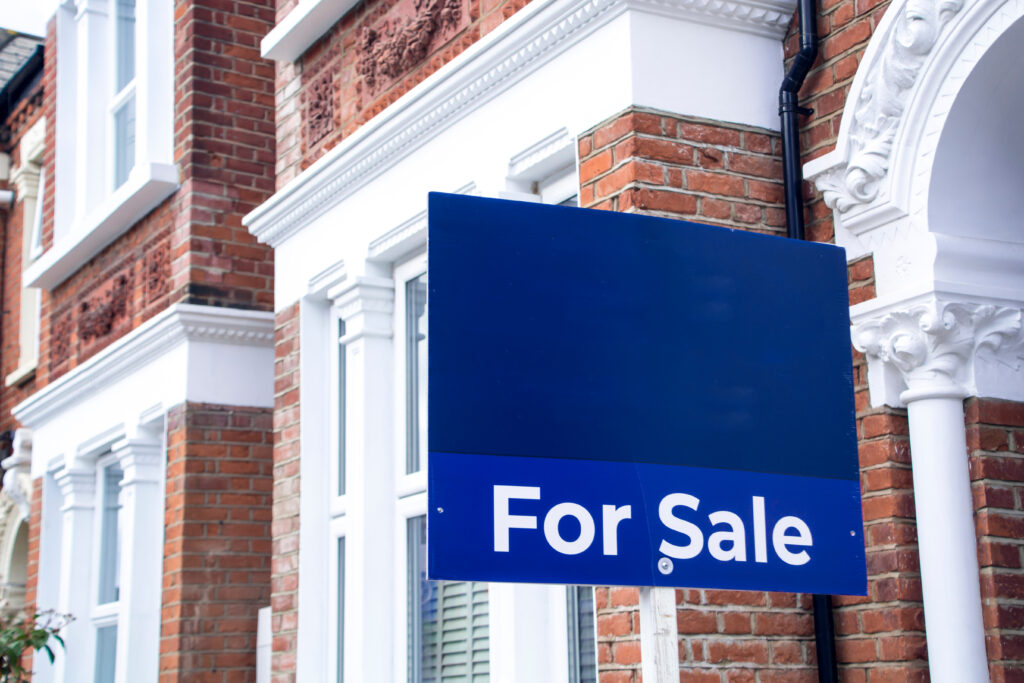
The terms ‘leasehold’ and ‘freehold’ are used to describe the interest in the property you’re buying.
There are major differences between leasehold and freehold that can impact purchase, budgeting and future resale.
Discover the key distinctions between freehold and leasehold and how this affects your buying journey.
Buying your first home or eyeing a new property? It’s important to know the difference between leasehold and freehold.
| Freehold | Leasehold |
| You own both the property and the land outright. | You own the property for a fixed period, but not the land it’s built on. |
Below, we highlight the differences between freehold and leasehold properties.
Freehold means that you own the property and also the land it stands on, including the outdoor spaces and gardens.
As the owner of the freehold, you’ll have full responsibility for looking after the entire building. This includes everything from the walls and roof to the contents inside.
Owning the freehold allows you to make changes to the property’s structure, such as adding an extension or converting the loft. However, larger projects will require planning permission from the local council.
There are no leases or fixed time limits to consider with freehold properties, and you won’t have to pay any ground rent or maintenance fees.
Freehold is the most common way to purchase a property in the UK.
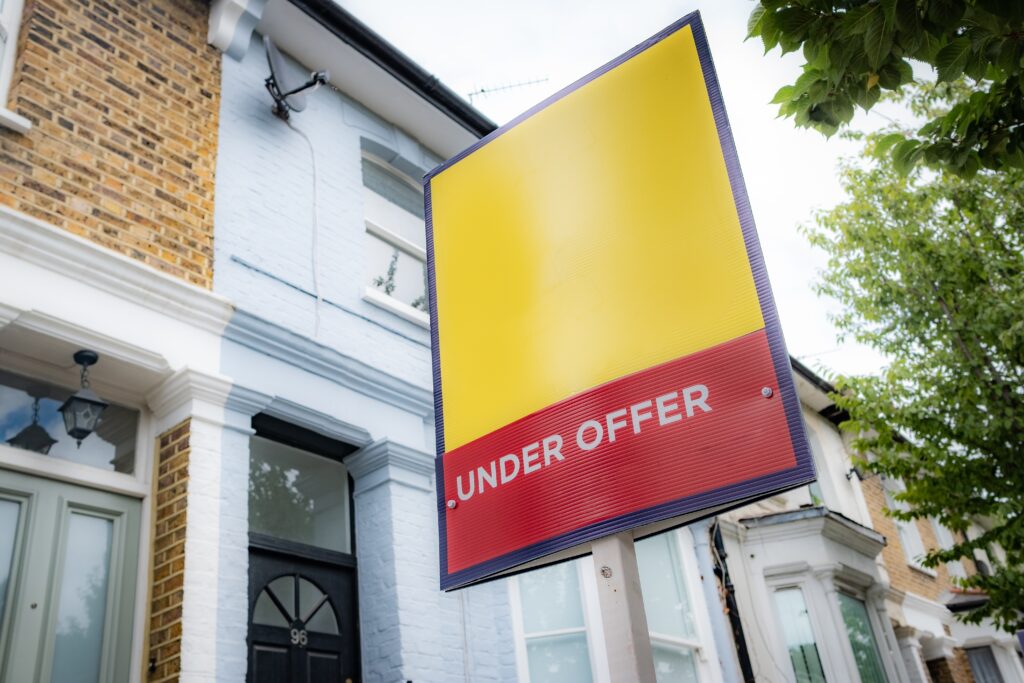
With leasehold, you buy the property for a fixed period, but not the land it stands on. The land remains the ownership of the freeholder, who is effectively selling the building to you for a specific period of time, typically between 90 and 999 years.
When you buy a leasehold property, you’ll enter into a contract with the freeholder that sets out your full responsibilities. This usually involves paying some annual costs and ongoing maintenance charges, such as ground rent.
You may be able to extend the lease on a leasehold property, unless otherwise stated in your contract. Meanwhile, shared spaces like hallways and gardens are usually the responsibility of the landlord. This means they have a responsibility to sort out any damage or necessary work, the cost of which is covered by a service charge.
If the lease on the property runs out, full ownership returns to the freeholder. Leasehold is more common on apartments and flats, though it can also apply to other buildings. According to london.gov, there are around 1.3 million leasehold properties in the UK capital alone, amounting to approximately 36% of its total housing stock – the highest proportion in England.
Here is a user-friendly comparison between leasehold and freehold properties.
| Freehold properties | Leasehold properties | |
| Ownership | You own the property and the land it’s built on. | You own the property for a set period, but not the land. |
| Gardens and outdoor spaces | You own the garden and outdoor spaces and have full responsibility for upkeep and maintenance. | You do not own the shared gardens or spaces, and the landlord is usually responsible for maintenance. |
| Service/maintenance charges | No set charges. | You’ll pay maintenance charges as well as ground rent. |
| Remortgaging options | You are free to remortgage or sell the property to another buyer. | You can remortgage and/or sell the property, but most lenders request at least 70 years remaining on the lease. |
| Property type | All types of properties, but mostly houses and larger buildings. | Usually apartments, flats or occasionally houses, particularly where bought through a shared ownership scheme. |
| Price | Typically more expensive as you’ll have full ownership of the property and land. | Usually cheaper than freehold, but you only own the property for a set period and not the land. |
Yes, leaseholders sometimes have the option to buy the freehold of the property, either individually or collectively. For flats, this often means purchasing a share of the freehold jointly with other flat owners. For houses, you may be able to buy the entire freehold outright.
Buying the freehold can be complex and expensive, so it’s important to seek specialist legal advice before going ahead.
The cost of buying a freehold varies, much like property prices. As a general rule, the shorter the lease, the more expensive the freehold is likely to be.
When buying the freehold, you’ll also have other costs to factor in, such as Stamp Duty, valuation fees, legal expenses and Land Registry fees.
The process of buying the freehold can be complicated, especially when multiple leaseholders are involved. Again, this is why it’s essential to seek independent legal and financial advice to help you avoid costly mistakes.
Flying freehold is part of a property that extends over adjoining land. For example, a freehold property might ‘overhang’ another property. This can be the case with terraced or semi-detached homes where there is no clear vertical boundary between the properties. Flying freehold may also apply to:
Buyers should check whether a property has a flying freehold before applying for a mortgage. Some lenders won’t approve loans on these properties, while others may impose specific conditions or restrictions.
There are advantages and disadvantages to buying either a leasehold or freehold property.
| Freehold Properties | |
| Pros | Cons |
| Full ownership: You’ll have full ownership of both the property and the land it sits on, as long as you keep up with your mortgage payments or pay off the mortgage entirely. | Higher upfront cost: Freehold properties are generally more expensive to purchase since you’re buying both the property and the land. |
| No extra charges: You won’t need to pay ground rent, service charges, or any landlord administration fees. | Fewer choices: Freehold ownership is more common for houses than flats, so if you’re searching for a flat, your options may be more limited. |
| Flexibility: You’re free to live as you choose, such as keeping pets or carrying out home improvements, provided they comply with any local authority or planning requirements. | Maintenance and upkeep: You’ll be responsible for maintaining the entire property and covering the cost of building insurance. |
| No lease: You won’t need to worry about lease expiry dates or the potentially high costs of extending it. | |
Here are some of the benefits and drawbacks when buying a leasehold property.
| Leasehold Properties | |
| Pros | Cons |
| Cheaper: Leasehold properties are often less expensive than freehold ones, though this generally reflects the additional risks and limitations associated with leasehold ownership. | Limited ownership: As a leaseholder, you’re essentially renting from the freeholder and don’t have full ownership of the property or the land it occupies. |
| Reduced responsibility: The freeholder typically takes care of building maintenance and communal areas, as well as arranging building insurance. | Rent and fees: In addition to your mortgage, you’ll need to pay ground rent and service charges, which may rise over time. Falling behind on these payments could put your home at risk of repossession. |
| Access to amenities and prime locations: Many leasehold properties, particularly new builds in city centres, come with communal features like gyms, concierge services or shared gardens. This is not always the case with individual freehold homes. | Limitations: Any changes to the property usually require written permission from the freeholder and may also incur additional fees. Not only that, but some leasehold properties ban owners from keeping pets or running a business from the premises. |
| Conveyancing fees: These are often more expensive for leasehold properties than freehold properties. | |
| Selling: Leasehold properties with shorter leases can be harder to sell, which may limit your ability to benefit from increases in property value. | |
Whether you’re buying a freehold or a leasehold property, you’ll need a home survey. This will identify any hidden defects in the building and give you confidence in your investment. Our network of property surveyors covers the UK and is ready to support you in your purchase. Request a quote or contact us today.
Here are some of your most frequently asked questions about the difference between leasehold and freehold properties.
You can verify if your property is leasehold or freehold by checking with the Land Registry and ordering the Title Register. This will provide key information about the property or land and may highlight rights affecting neighbouring land
Surveyors look for visible signs of wear, tear and damage to a property that may affect the sale price or enable buyers to negotiate a better deal. A survey also involves checks for hidden problems like damp, mould, structural movement, roof defects and utility problems.
It’s extremely uncommon for a landlord to end a lease and evict you from the property, though it can happen in certain circumstances. If they insist on ending the lease, they must:
As a leaseholder, you can usually end the lease yourself by giving at least one month’s notice. Importantly, you don’t have to move out the moment the lease expires. Legally, a lease is treated as a tenancy, so your tenancy continues on the same terms unless you or the landlord actively chooses to end it.
It’s important to understand the law around extending, changing or ending a lease before moving into a leasehold property.
A leaseholder deed of certificate is a legal document that confirms you’re eligible for protections under the Building Safety Act 2022. These protections can stop your landlord from charging you for repairing historic safety and structural defects in your building.
Without a deed of certificate, you won’t be able to benefit from these protections for qualifying leases. The certificate can be transferred to a future buyer of your property, allowing them to inherit your qualifying status.
The leaseholder protections apply only to leaseholders in relevant buildings in England. These protections do not extend to leasehold properties in Wales, Scotland, or Northern Ireland.