Blog
Maintaining your property
9 Types of Home Extensions
June 2026 | By Michael Chichester

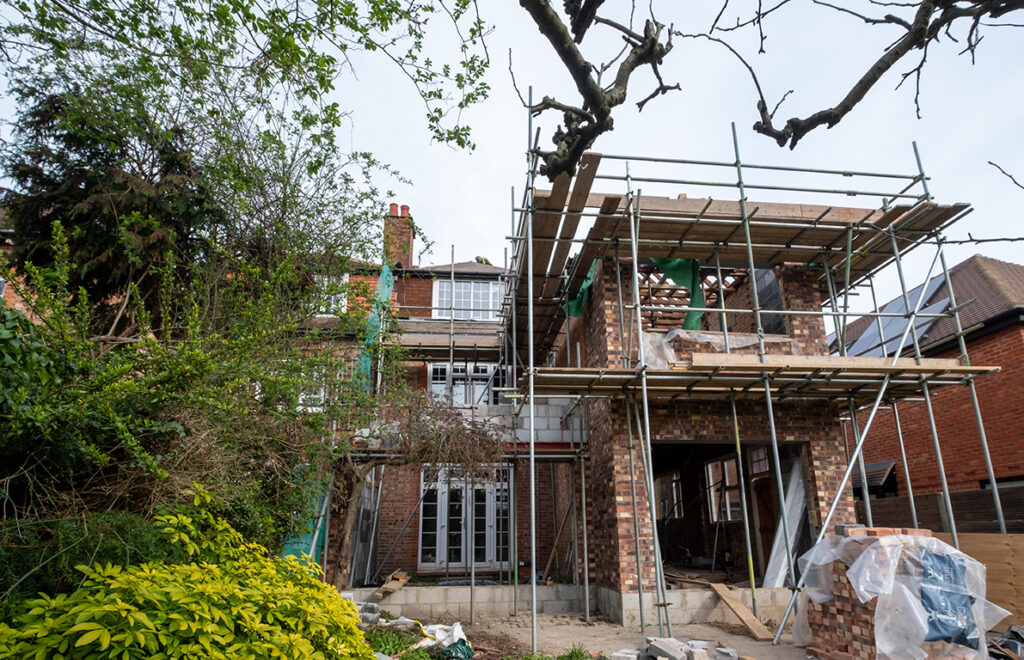
Looking for more living space without the stress of moving home? Maybe it’s time you considered a house extension instead.
Whether you’re looking to create a new home office or an extra bedroom for your growing family, extensions offer a range of benefits to homeowners. Not only do they give you the extra room you need, but they can also boost the value of your property.
Home extensions come in a variety of styles and designs to suit almost any property layout. But how do you make the right choice for your home and budget?
Here is a list of the different house extension types to help you get started.
When it comes to house extension types, the sky’s the limit – well, almost.
Adding an extension will save you the time and stress of finding a new home and the hassle of moving. You’ll also have a full say in the design of the extension subject to planning regulations, so it can be tailored to your specific needs.
Whether you choose a large double-storey extension or a simple porch at the front of your property, there are so many designs and options available.
If you’re looking to expand your home, an independent property valuation could also help you decide whether an extension is a feasible, cost-effective option for you.
Here are the top 9 house extension types to consider:
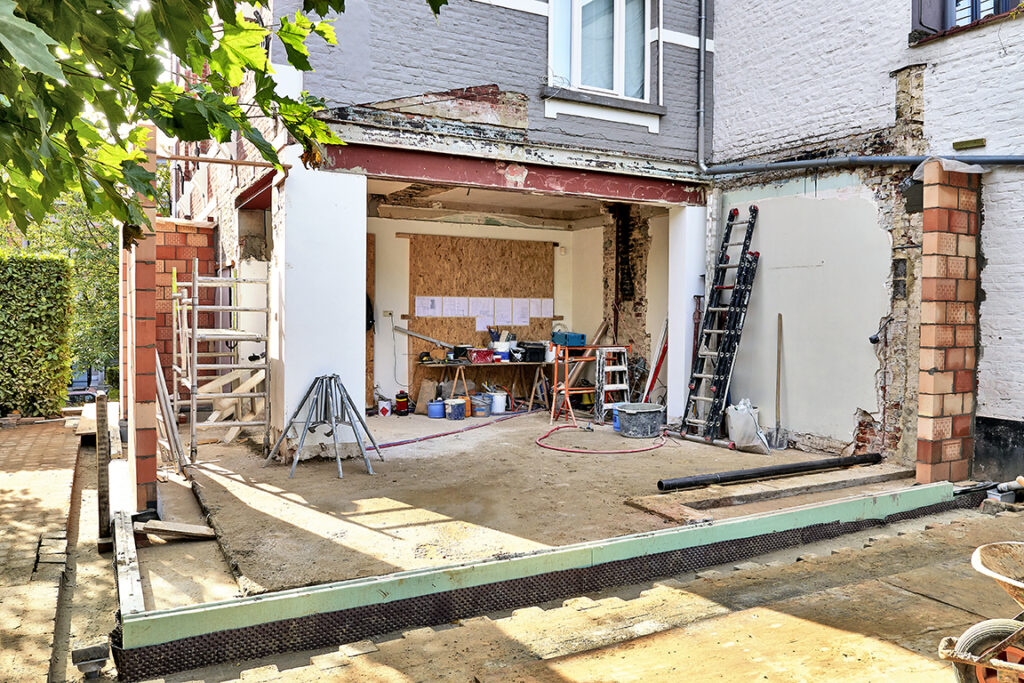
A single-storey extension is one of the most popular, cost-effective solutions for adding more space to the ground floor of your property. Installed at the back of your home, at the side, or both in the case of a wraparound design, single-storey extensions are a great option for many reasons.
Maybe you’re looking to expand your kitchen, add a new dining area or increase your downstairs living space by converting your garage? Perhaps you crave a home office, a ground-floor wetroom, or a utility room for your white goods and muddy boots?
Single-storey extensions can transform the exterior and general look and functionality of your property. You could also opt for bi-fold doors across the rear that connect your home to the outdoors.
Perhaps you want to go for an open-plan design with a pitched roof and skylights that harness natural light and make your home airier and more spacious. With their high level of flexibility, single-storey extensions remain a hugely popular, budget-friendly type of house extension.
If you’re looking to add significant amounts of space to your existing property, double-storey extensions could be the answer. You can not only add more rooms to both the upstairs and downstairs of your home, but it may be easier to blend the extension in more naturally with the original building.
As you might expect, double-storey extensions are more expensive than single-storey designs due to the extra work and additional materials required and the longer completion timeline. However, double-storey extensions are often more cost-effective per square metre because the foundations have already been laid.
Whichever single-storey or double-storey extension you choose, you’ll need to factor in the roof design, finishes, location and more. But while you’ll benefit from more space for your budget, most double-storey extensions require a sizeable budget from the outset.
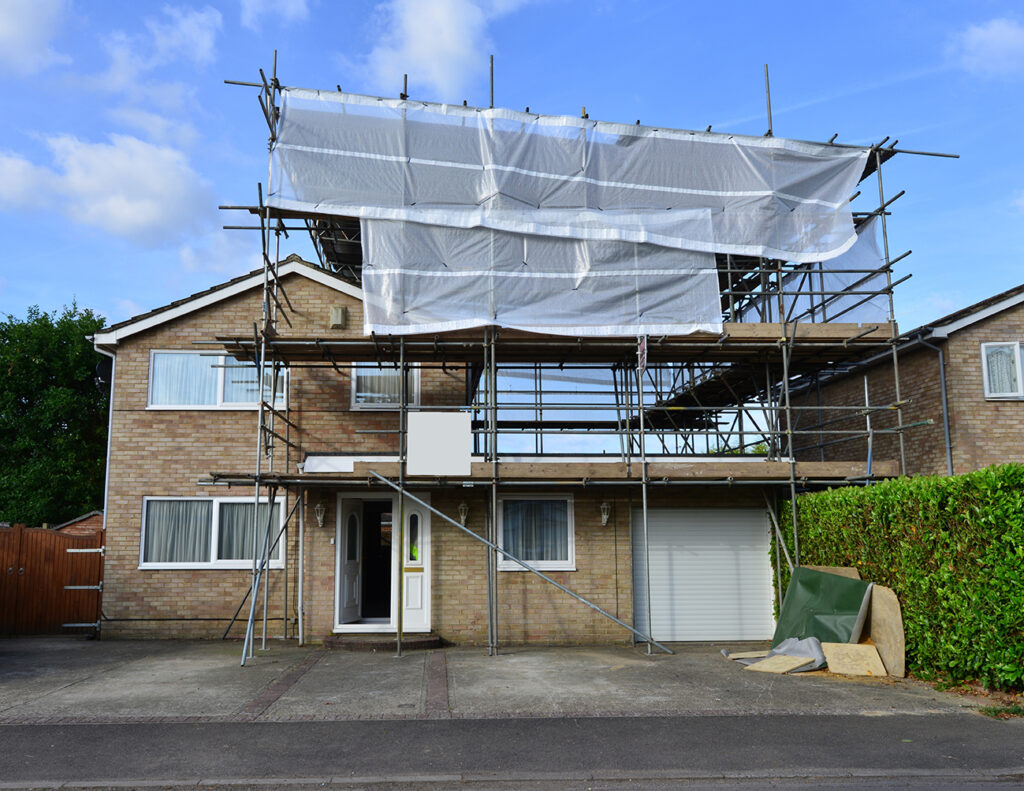
When you can’t extend outwards from your property, over-structure extensions offer a practical solution. Built over the top of an existing structure such as a garage, this type of house extension takes advantage of the building’s original footprint, doesn’t require new foundations, and preserves your current garden space.
Over-structure extensions are also an excellent way to increase your first-floor space by adding an extra bedroom or bathroom above the ground floor.
That said, this type of house extension often requires careful structural planning to ensure the foundations and supporting structure can handle the extra weight. This can push project costs up when combined with the necessary building work.
Full-width extensions completely transform the look of your property and significantly boost your floor space, both downstairs and upstairs. They are commonly used to create large, flexible living areas, add more bedrooms and bathrooms, or a combination of both.
By opening up the entire back or side of your home, full-width extensions offer spacious, open-plan living that has become popular with modern families who enjoy entertaining. Adding bi-fold doors allows you to open up the back of the property to create a seamless flow from inside to out.
Full-width extensions can be either single-storey or double-storey and can dramatically increase the building’s footprint and the value of your property.
Rear extensions are a great way to maximise the space behind your home, like an existing garden or a courtyard. They are typically used to create generous, free-flowing living spaces that combine a large kitchen-diner with flexible family living.
As any building work will be hidden from street view, rear extensions can make planning permission more straightforward, especially when neighbouring properties have already extended outwards.
If you want more square footage or crave open-plan living that blends the indoors with your outdoor space, a rear extension could be a suitable choice. However, it will mean giving up some of your garden, which may not suit green-fingered homeowners.
Gaining building control and planning permission for a home extension is essential to ensure the project complies with legal, structural, and safety standards. Planning permission assesses the impact of the extension on the surrounding environment, including aesthetics, privacy, and local development policies. Building control approval, on the other hand, ensures that the construction meets national building regulations covering structural integrity, fire safety, insulation, drainage, and accessibility. Failure to obtain these approvals can result in enforcement action, fines, or complications when selling the property. Securing both permissions protects homeowners, ensures quality construction, and maintains the value and legality of the property.
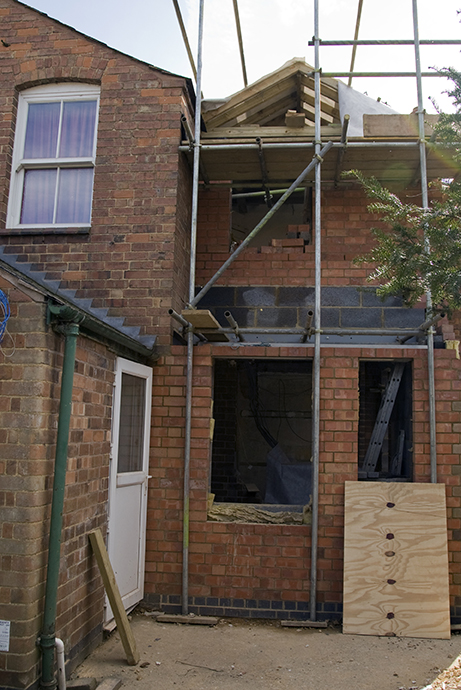
Also known as side infills, side return extensions make maximum use of an alleyway, pathway or narrow space at the side of your property. They are an effective way to increase the size of your home without sacrificing your garden.
Side return extensions turn what is often wasted space between your home and a neighbouring property into a valuable living area. By extending out to the side you could create a bigger kitchen, open up your lounge, add a large utility room or a downstairs toilet and shower room.
No matter your preference, side return extensions are often cost-effective, relatively simple to construct, significantly increase your floor plan, transform dead space, preserve your garden and enhance your general living experience.
Wraparound extensions combine a rear extension with a side return extension to dramatically increase the size of your property.
The L-shaped design of a wraparound extension is ideal for end-of-terrace homes or semi-detached properties with side alleyways, but also works equally well with modern properties with gardens and plenty of outdoor space.
Homeowners often opt for a wraparound extension when looking to create an open-plan kitchen, office or study, or a flexible family living area with better garden access.
However, due to the size of the extension and the building work required, wraparounds can be more expensive than other house extension types. Not only that, but they are not always suitable for homes with limited side and garden space.
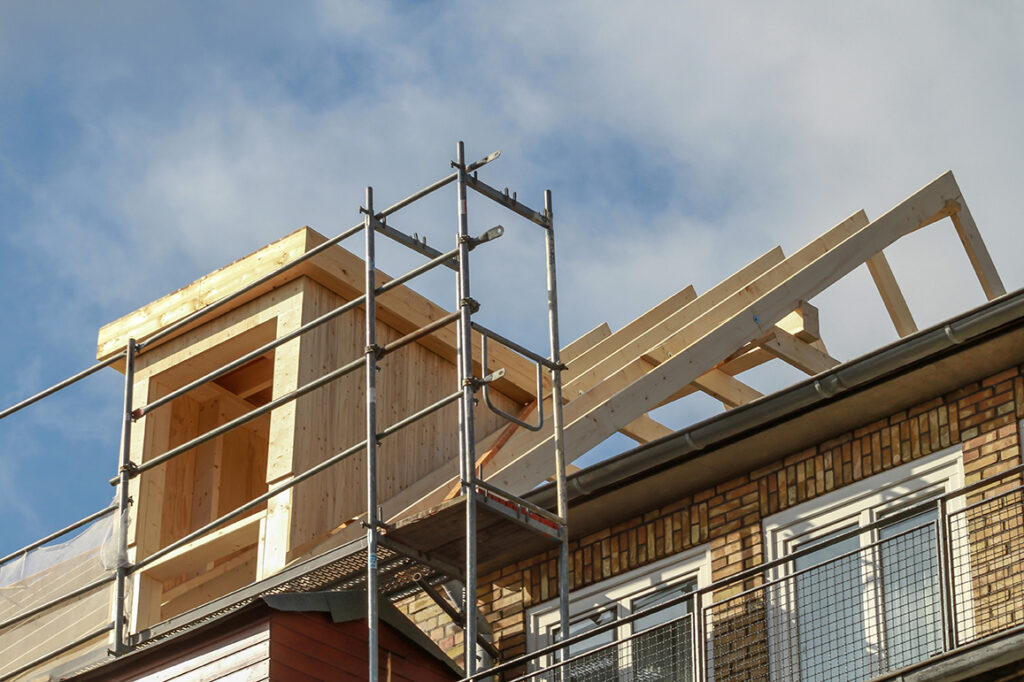
A dormer extension is a cost-effective way to turn your unused loft into a fresh living or sleeping area.
This type of house extension involves making alterations to a pitched roof by creating a flat-roof structure for extra headroom. Dormer extensions usually fall within permitted property development guidelines, so you may not require full planning permission to carry out the work.
Whether you’re adding an ensuite bedroom or a children’s playroom, dormer extensions are mostly budget-friendly, create an entirely new level of living space, and add value to your property.
If you’re limited on space and have a basement or a cellar, converting it into a liveable area could be a smart option, especially in city centres and heavily built-up areas.
A well-designed basement or cellar conversion can increase the value of your home and provide the space you need for an extra bedroom, gym, office or playroom. However, project costs can be high, particularly if you’re starting from scratch rather than upgrading an existing basement.
If building up or out isn’t an option and you have limited outdoor space, a basement or cellar extension is an ideal option. Even so, digging out a basement is complex and requires heavy excavation, ventilation, waterproofing and extensive pipework. As a result, costs can quickly mount up, though it can eventually add significant value to your home.
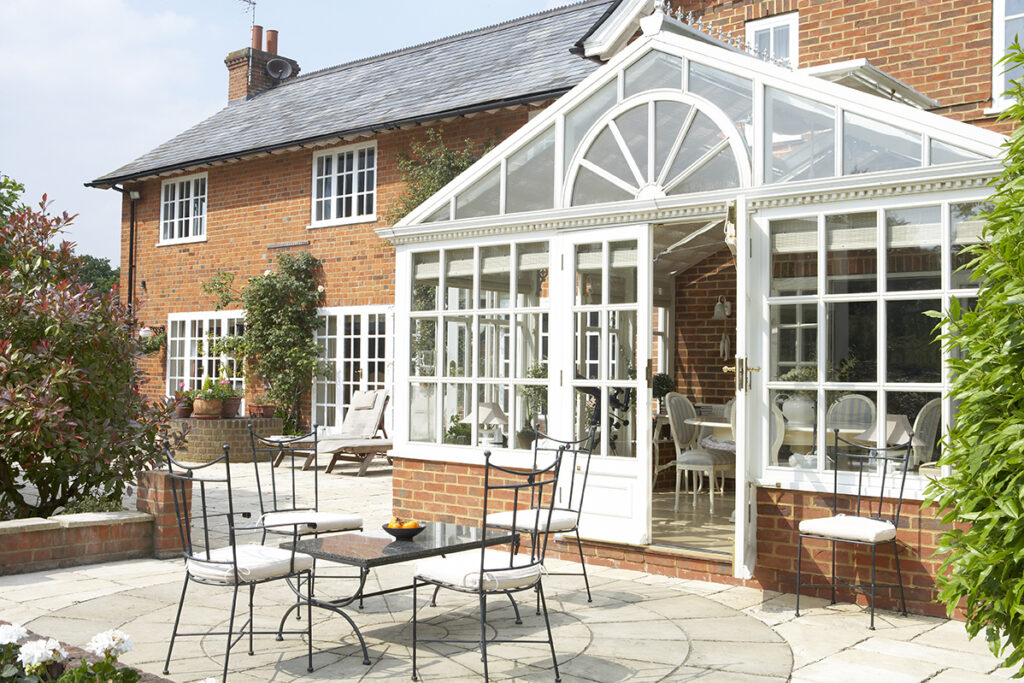
Looking for solutions to increase your floor space? Adding a conservatory or orangery is a simple way to make your property bigger, brighter and more inviting.
Conservatories are inexpensive, let in plenty of light, and provide an extra versatile living space for eating, relaxing or entertaining.
Usually made from a uPVC frame with full glazing on the sides and roof, conservatories come in a wide range of styles to complement the design and brickwork of your home.
Not only that, but modern conservatories come with enhanced temperature regulation features, making them comfortable living spaces all year round.
Originally used for growing fruits in the cold UK climate, orangeries consist of brick pillars combined with a raised glass roof to create a luxurious, flexible living space.
Orangeries let natural light flood in that gives it a bright, spacious feel. They are also extremely versatile and are commonly used as dining areas, offices, playrooms or family spaces. Like conservatories, choosing high-quality glazing will help maintain a comfortable temperature all year round.
If you don’t have the option to extend your property, you could create more space by constructing a garden room or outbuilding on your land.
Detached from your home, garden rooms and outbuildings are standalone structures, usually with solid roofs and partial glazing. They serve multiple functions, from music rooms and dance studios to home offices and hobby rooms.
Many garden rooms and outbuildings are allowed under permitted development rights. However, rules can change depending on how you plan to use the space. For instance, full planning permission is usually required if you aim to use it as an extra bedroom.
If you’re looking to freshen up the front of your home and boost its kerb appeal, porch extensions offer a simple, stylish budget-friendly solution.
A new porch will not only create some extra space, but it can also enhance security by providing an extra doorway into your home. Often featuring glazed windows or partially glazed roofs to boost natural light, porches are typically built in a matter of weeks and require minimal planning approval.
Gaining building control and planning permission for a home extension is essential to ensure the project complies with legal, structural, and safety standards. Planning permission assesses the impact of the extension on the surrounding environment, including aesthetics, privacy, and local development policies.
Building control approval, on the other hand, ensures that the construction meets national building regulations covering structural integrity, fire safety, insulation, drainage, and accessibility. Failure to obtain these approvals can result in enforcement action, fines, or complications when selling the property. Securing both permissions protects homeowners, ensures quality construction, and maintains the value and legality of the property.
Most property extensions need some level of planning approval. Ignoring the rules can have severe consequences, and you may have to remove the extension entirely, resulting in lost time and money. Therefore, it’s important to remember that extensions must not exceed 50% of the land around the original house, no matter which type of home extension it is, including garden rooms and outbuildings.
Similarly, UK regulations state that single-storey extensions must be below 4 metres in height, and how far out you can extend depends on the size and type of the original property. If you own a listed property, one on protected land or within conversion limits, planning permission will always be required.
Finally, properties that have been significantly extended can fall within the definition of a ‘new build property’. When this happens, mortgage lenders will require a Professional Consultants Certificate (PCC) or warranty.
A PCC provides the lender with assurances that a qualified professional, such as an architect, has monitored the construction work and the build is completed in line with planning permissions and building regulations. This oversight reduces the risk of non-compliance with building regulations.
At e.surv, our independent property valuation report will establish the current market value of your home and will include any extensions or improvements that have already been completed No matter what house extension type you’ve chosen, a valuation report offers peace of mind. Contact us today.