Property types
What is a Period Property?
May 2026 | By Jess VanRensburg

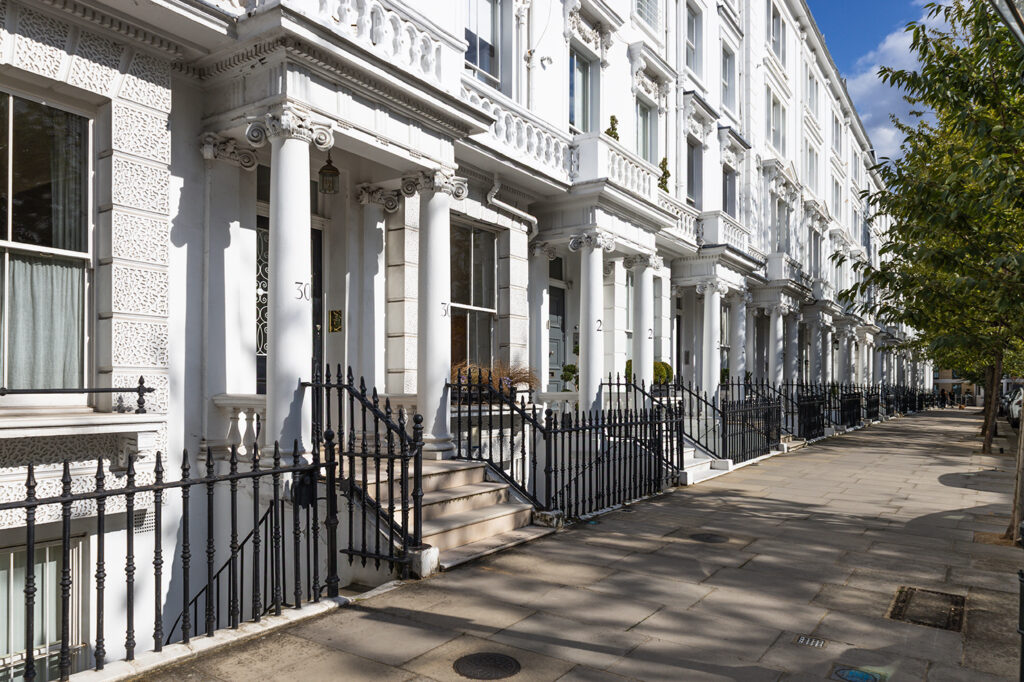
Period properties are hugely popular with homebuyers seeking a slice of history.
There’s an abundance of amazing period properties around the UK thanks to the country’s rich heritage. However, there are several important factors to consider before purchasing a period property that can help protect your investment.
Here, we cover the different types of period properties, what to look out for, and the pros and cons of buying one.
‘Period’ properties are typically those built before the First World War. They span many centuries, dating back to the early 1400s right up to the early 1900s. Each specific era has its own architectural style, making them highly desirable for today’s homebuyers looking for something unique, distinctive and full of character.
Because of their age, period homes can have defects and problems you should be aware of before committing to a purchase. A RICS Level 3 Home Survey is used to highlight defects, repairs and future maintenance, helping you negotiate a better sale price.
From Tudor homes to Edwardian houses, there are specific designs to look out for when buying a period property. These include:
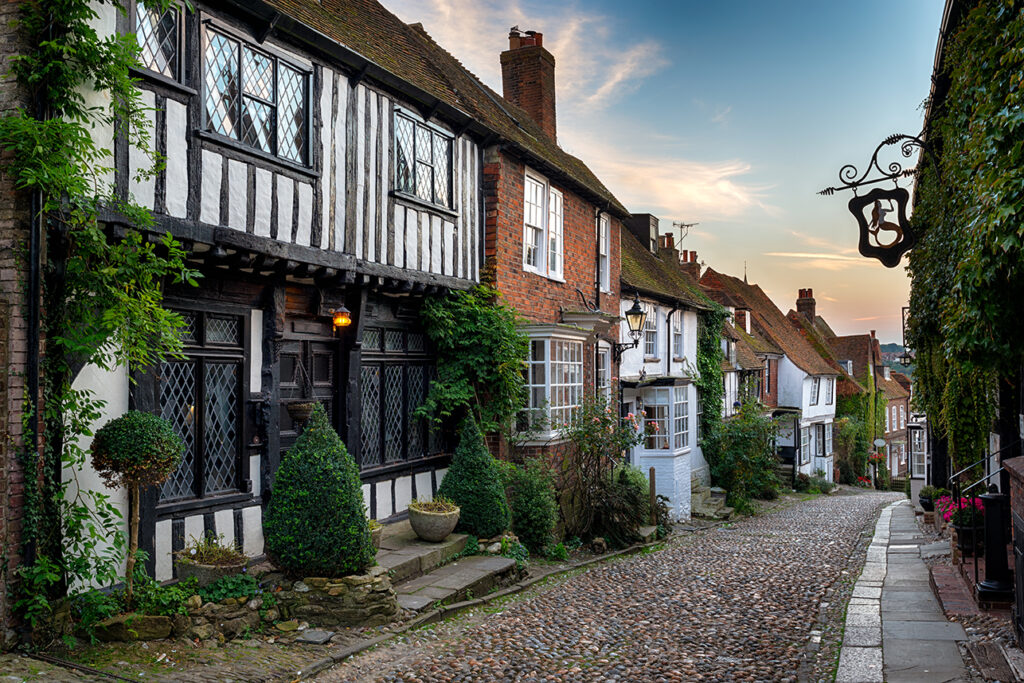
Tudor homes are among the oldest residential properties in the UK. The Tudor period began with the crowning of Henry VII in 1485 and the death of Elizabeth I in 1603 and is renowned for its distinctive architecture.
Tudor properties stand out from other period homes thanks to their iconic black-and-white timber frames, steep-pitched roofs and upper floors known as jetties. Some of the key characteristics of Tudor properties include:
While Tudor properties have been around since the late 1400s, the architectural style saw a major revival in the 19th Century with the rise of ‘mock Tudor’ houses. Even today, some modern properties copy the Tudor theme due to its timeless appeal.
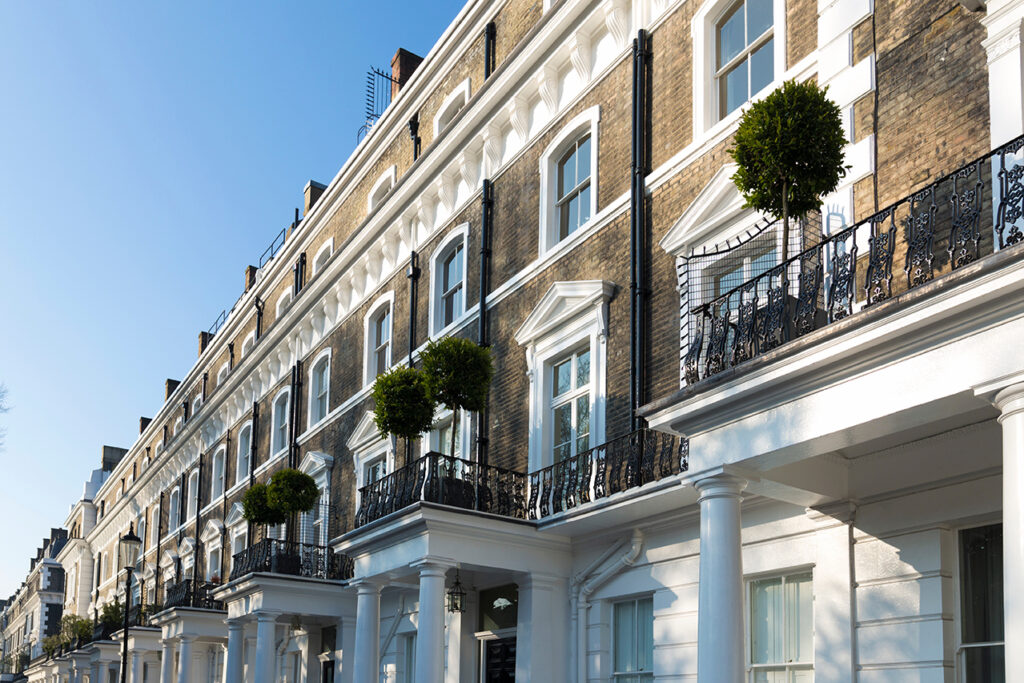
Dating from the early 1700s to the early 1800s, Georgian properties remain highly sought-after. Many examples of Georgian houses are still standing today, and their attractive features and generous proportions make them popular with today’s homebuyers.
Usually arranged over three or four floors, Georgian terraces are often refined and boast impressive kerb appeal. Traditionally, servants occupied the upper floors, resulting in lower ceilings and fewer decorative features than the ornate lower floors. Georgian properties typically include:
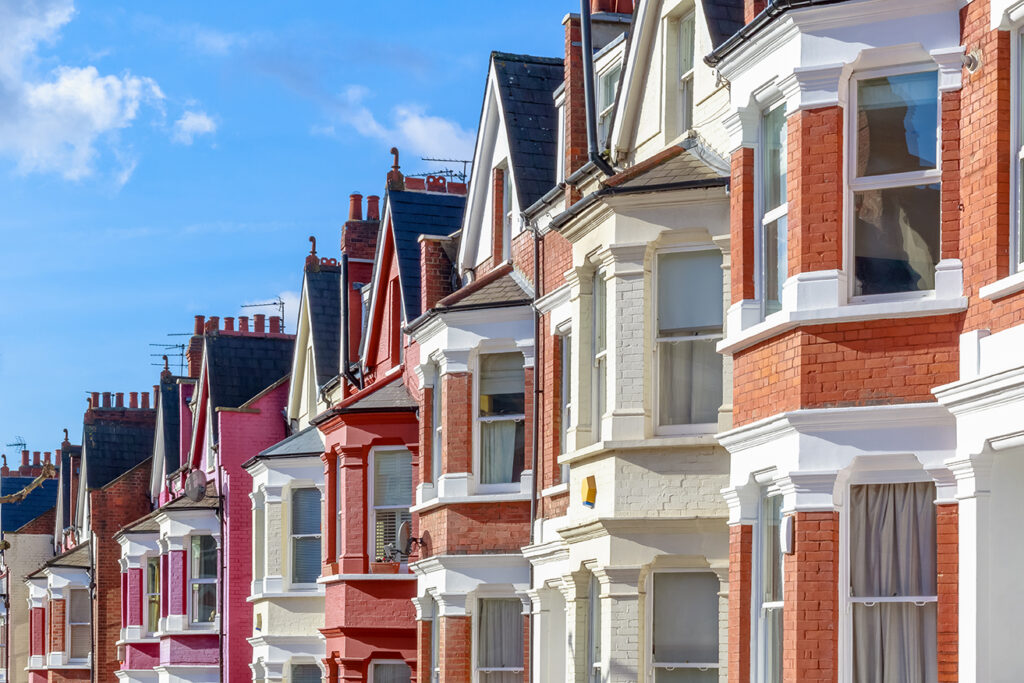
The Victorian era spanned 1830 to 1901 and covered the reign of Queen Victoria. It also coincided with the Industrial Revolution and a period that transformed housing across the British Isles.
The rise of mass production and urban expansion made Victorian homes more widely available, resulting in swathes of terraced properties that were often less grand – but more affordable – than Georgian properties.
However, Victorian homes retain many original features that make them attractive to modern homebuyers, such as:
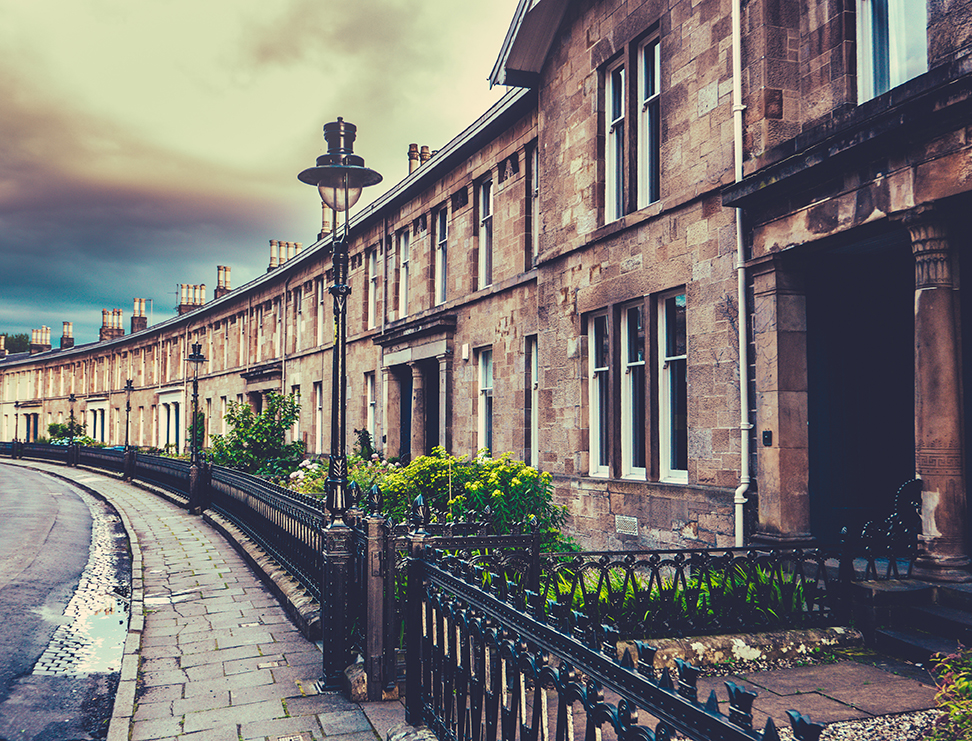
The Edwardian era ran from 1901 to 1914 and is the last period in British history to be named after a reigning monarch. Even though it was brief, it had a lasting impact on architecture and home design.
Edwardian homes maintain the charm of their Victorian predecessors by combining elegance with enhanced comfort and practicality. The desire for extra space saw Edwardian properties built in the suburbs in high numbers. They are wider and more balanced than Victorian homes and provide a greater sense of openness and spaciousness.
Usually set back from the road with small front gardens, Edwardian houses often feature, bright, well-proportioned living rooms with multiple windows and a choice of views. Distinctive features of Edwardian homes includes:
Period properties have stood the test of time and remain as attractive now as the day they were built. Such is the build quality of many period homes, millions are still standing across the UK.
From starter homes to grand mansions, the popularity of period properties and their unique features also continue to grow. Yet while their character and history are always evident, their age can bring problems you need to be aware of.
If you’re considering buying a period home, it’s important to weigh up the pros and cons and the potential costs that may come with owning one.
| Advantages of period homes | Disadvantages of period homes |
| Full of character and charm | Poor energy efficiency |
| Unique period features | Damp problems |
| Large plots, spacious rooms and gardens | Costly to maintain |
| Desirable locations | Strange layouts |
| Opportunity to add value | Listed building status / Conservation Areas |
The advantages of period homes include:
Character and charm: Architectural features and designs that offer timeless appeal.
Unique period features: Decorative elements such as original fireplaces, sash windows, wooden beams and cornices that are not found in modern homes.
Space: Larger rooms with higher ceilings, spacious gardens and bigger plots.
Desirable locations: Often situated in sought-after areas, close to town centres, railways stations and transport links.
Investment potential: Opportunity to add value through extensions, renovations or conversions (loft, cellar etc).
Poor energy efficiency: According to the Office for National Statistics, the age of the property is the main factor in the energy efficiency of homes. Wall and roof insulation can be inadequate compared to modern homes unless upgrades have been made.
Damp problems: Damp-proof courses only became a requirement in the late 1800s and are often missing in older period properties.
Maintenance cost: Older period properties can deteriorate and become expensive to maintain.
Strange layouts: Period properties may have odd layouts that don’t align with modern living styles. These include bathrooms accessed off kitchens and small rooms instead of open-plan designs.
Listed buildings: Some period homes are Grade II listed. This protects them from development but also limits what owners can do in terms of renovations. Similarly, homes situated in Conservation Areas must adhere to strict planning permission laws.
When buying a period home, it’s worth preserving the original features that define its character and charm. For example, ornate Victorian fireplaces make an attractive centrepiece and can help maintain the value of your classic property.
If your period home is littered with broken or damaged features, check local salvage and reclamation yards for authentic, low-cost replacements that help restore the building’s original appeal.
Similarly, don’t be afraid to blend old and new styles in period properties. High ceilings are great for bold lighting, while darker shades can bolster features like coving and fireplaces.
Ultimately, try to make the most of any quirky features such as under-the-stair spaces that can be transformed into stylish, functional storage areas or even converted into a downstairs toilet or wetroom.
If you’re buying an older, period property, you’ll need to assess the building’s true condition to give you confidence in your investment. A RICS Home Survey Level 3 will identify issues and hidden defects before you proceed, so you can negotiate a better sale price or pull out of the deal. You can also get a free, no obligation quote or contact us today for more details.